Creating a Drug-Free Work Zone: Best Practices for Employers


Understanding the Importance of a Drug-Free Workplace
Creating a drug-free work zone is essential for fostering a safe, productive, and healthy environment. Employers who prioritize this initiative can expect enhanced employee performance, reduced accidents, and improved overall morale. By implementing effective strategies, businesses can protect their workforce and reputation.
A drug-free workplace not only benefits the employees but also minimizes legal liabilities for the employer. It helps in maintaining a professional atmosphere and reduces absenteeism, which directly impacts the company's bottom line.
Establishing a Clear Drug-Free Policy
One of the first steps in creating a drug-free work zone is developing a comprehensive drug-free policy. This policy should clearly outline the company's stance on substance abuse, the consequences of violations, and the support available for employees seeking help.
Ensure that the policy is communicated effectively to all employees through meetings, handbooks, and training sessions. Consistent communication helps in reinforcing the importance of the policy and encourages adherence.
Key Elements of a Drug-Free Policy
- Definition of Prohibited Substances: Clearly specify which substances are banned.
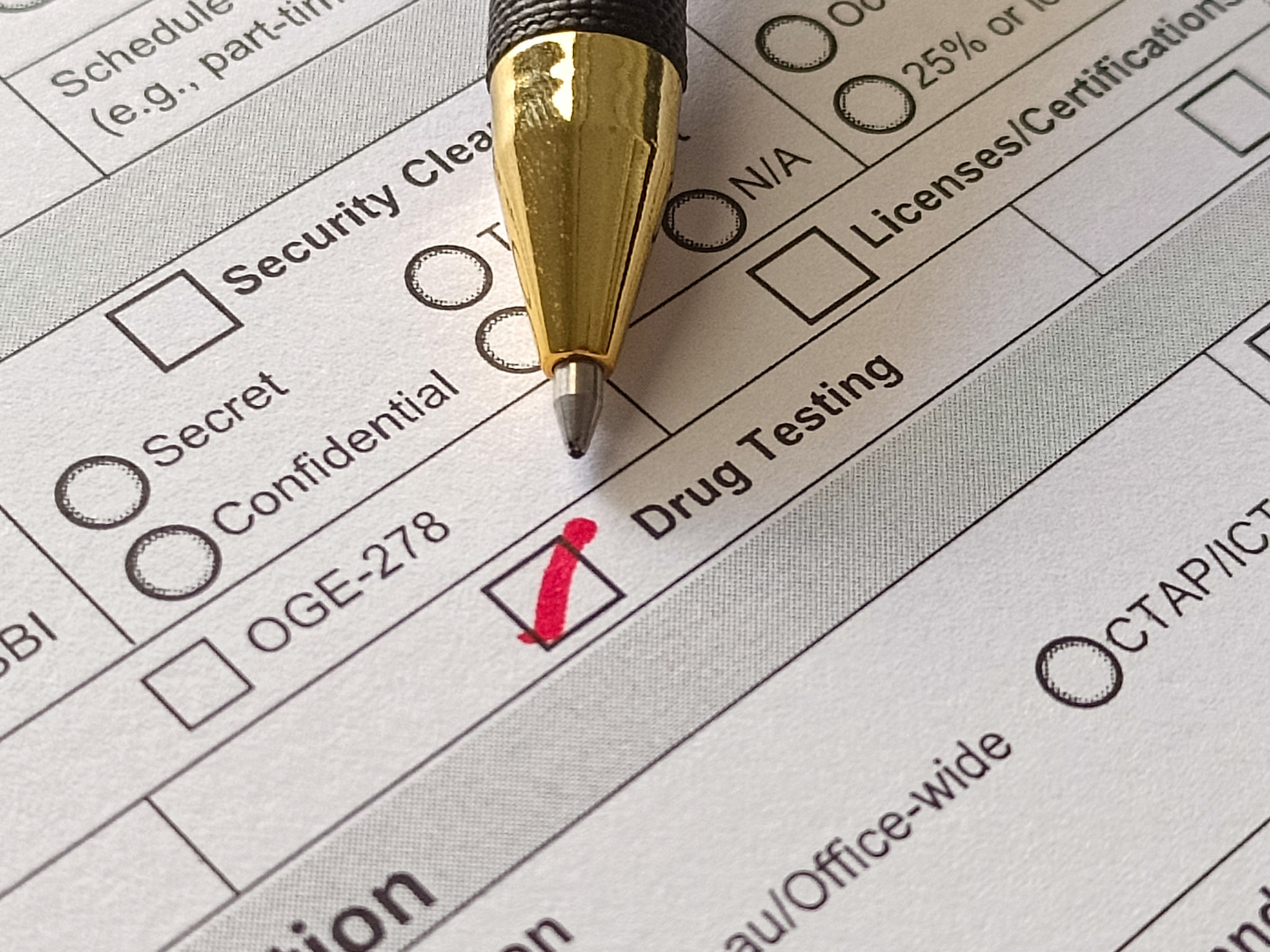
- Testing Procedures: Outline when and how drug tests will be conducted.
- Support Programs: Include information on employee assistance programs.
- Disciplinary Actions: Define the consequences of policy violations.

Implementing Employee Assistance Programs
Introducing Employee Assistance Programs (EAPs) is a proactive approach to support employees struggling with substance abuse. These programs provide confidential counseling, support services, and referrals to treatment facilities, helping individuals overcome addiction.
By offering EAPs, employers demonstrate their commitment to employee well-being. This not only aids in recovery but also fosters a supportive work environment, encouraging employees to seek help without fear of stigma.

Conducting Regular Training and Awareness Sessions
Training and awareness sessions are crucial in maintaining a drug-free workplace. These sessions educate employees about the dangers of substance abuse, the company’s drug-free policy, and the resources available to them.
Regular workshops and seminars can be an effective way to keep employees informed and engaged. Inviting experts to speak on the subject can provide valuable insights and encourage open discussions.
Monitoring and Evaluation
To ensure the effectiveness of the drug-free policy, continuous monitoring and evaluation are necessary. Employers should regularly review the policy, gather feedback from employees, and assess the overall impact on the workplace environment.
By staying proactive and adaptable, companies can refine their strategies, ensuring a safe and sustainable work zone for everyone involved.